Every wheel base turns a motor's rotation into the resistance you feel through the wheel — that's force feedback. How it does that is the whole difference between direct drive and belt (or gear) driven bases, and it affects price, feel and what else you need to buy far more than most spec sheets let on.
The actual mechanical difference
A belt or gear driven base uses a small motor connected to the wheel shaft through a belt, pulley or set of gears, the same way a lot of consumer electronics gear things down. It's an efficient way to produce usable torque from a cheap motor, but belts stretch and gears have a tiny amount of backlash, which shows up as a slight softness right at the centre of the wheel and in very fast direction changes.
A direct drive base bolts the wheel straight onto the motor's shaft, with nothing in between. There's no belt to stretch and no backlash, so the feedback you get is exactly what the motor is doing, transmitted instantly. That's why direct drive bases feel sharper and more detailed even at the same torque rating as a belt base.
Torque: the number that gets oversold
Torque (measured in Nm) describes how strong the base can pull, not how good it feels. A 10 Nm direct drive base and a 10 Nm belt base will stop your wheel with similar force, but the direct drive base will communicate texture — road surface, kerbs, the exact moment a tyre lets go — far more clearly at that same strength.
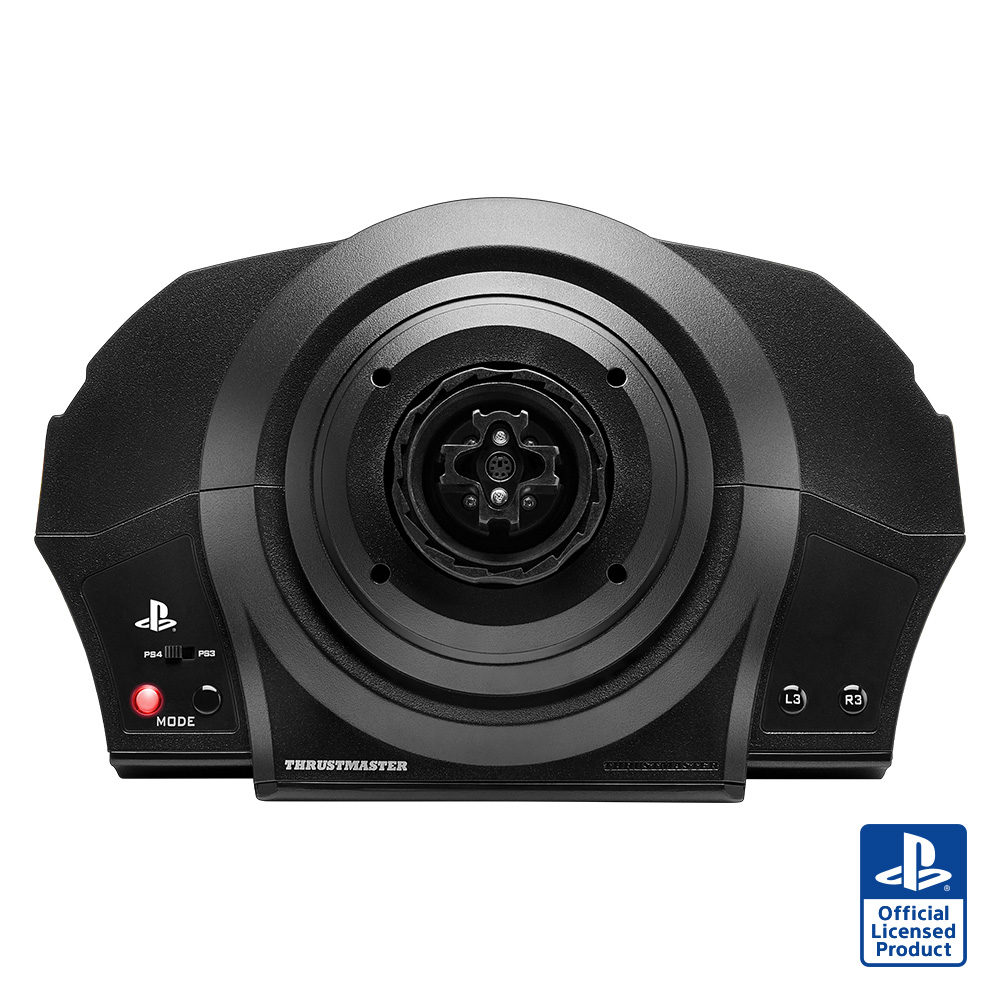
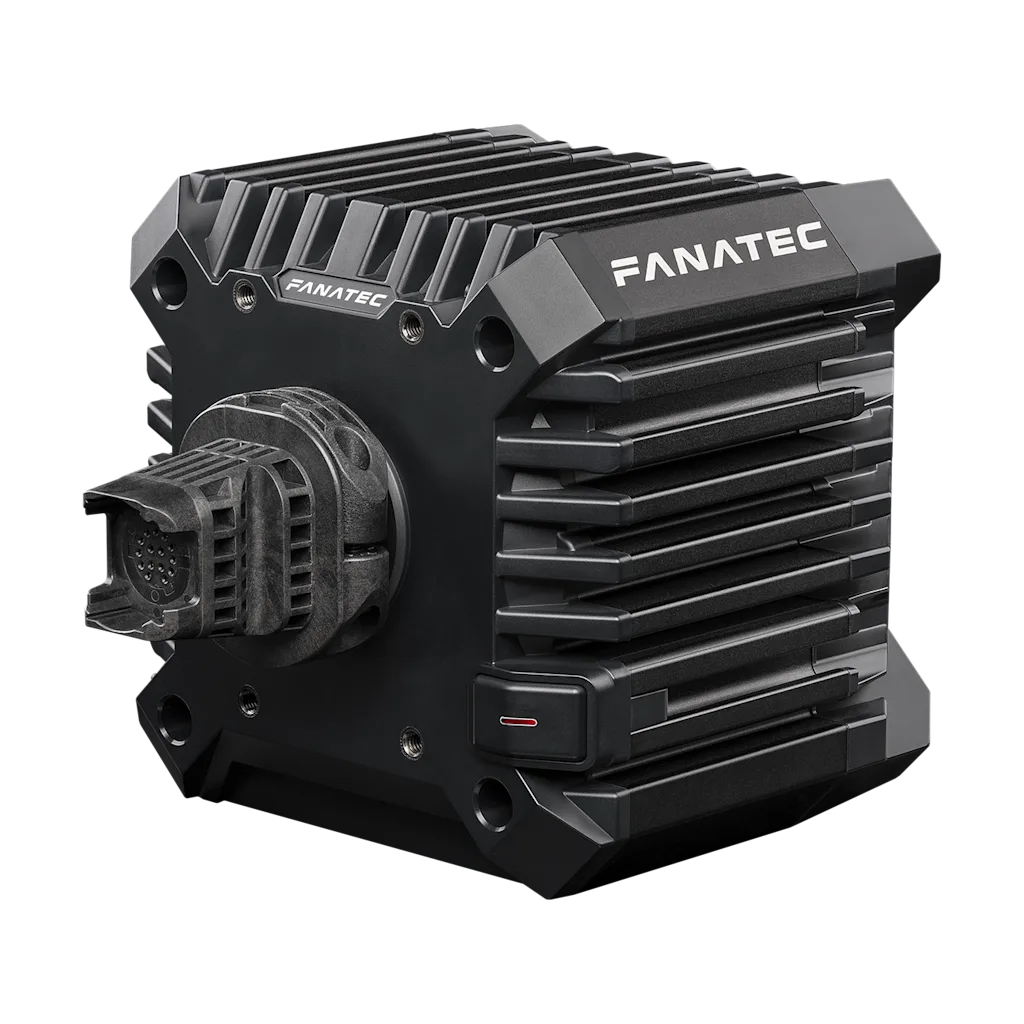
| Torque range | Typical base type | Good for |
|---|---|---|
| 2–6 Nm | Belt / gear driven | Learning, light cars, tight budgets |
| 8–10 Nm | Entry direct drive | GT and open-wheel cars, most drivers |
| 15–21 Nm | Mid-range direct drive | Heavier/high-downforce cars, detail seekers |
| 25+ Nm | High-end direct drive | Racers who want every bit of feedback a sim exposes |
Most drivers plateau in enjoyment well before they plateau in torque. If you're not sure, 8–10 Nm of direct drive is the point where most people stop thinking about their wheel base and start thinking about their driving.
What a belt base actually costs you
The honest case for belt and gear driven bases is price: they start around €300–€500, roughly half the cost of an entry direct drive base, and they're genuinely good enough to learn race craft, braking points and car control. Compare current models on the wheel bases page — several belt-driven options sit well under what an entry direct drive base costs. The tradeoff shows up at the limit: in a slide, under heavy braking, or over a rumble strip, a belt base gives you less to react to, and some drivers never notice while others feel it constantly.
What direct drive actually costs you
Beyond the base's own price, a direct drive base is a louder statement to your whole setup than it looks. Above roughly 10–15 Nm, a desk clamp starts flexing before the chassis does, which quietly throws away the detail you paid for — see our note on matching a cockpit to your wheel base for what that means for your frame choice. Direct drive bases also draw more power, run warmer under sustained use, and their steering wheels are rarely interchangeable across brands without a quick release adapter.
A simple way to decide
- Buy belt/gear driven if this is your first wheel, your budget is under €500 total for the base, or you're on a desk and don't want to buy a cockpit yet.
- Buy entry direct drive (8–10 Nm) if you've driven a wheel before, have a rigid mount or plan to buy one, and want the feedback to stop being the limiting factor.
- Buy mid or high-end direct drive only once you already own a cockpit rated for the torque, and you know from experience that you notice the difference — not because the spec sheet says more Nm is better.
Once you've picked a drive type and a torque range, compare real bases with live prices, platform compatibility and quick-release details on the Wheel Bases page, or start a full build from scratch on the SimRigPicker home page.
FAQ
Is direct drive worth it for a beginner?
Not necessarily. A belt or gear driven base at 4–6 Nm teaches the same racing lines and braking points as a direct drive base, for a third of the price. Upgrade once you can feel the limits of the hardware rather than your own driving.
How much torque do I actually need?
8–10 Nm covers GT and open-wheel cars comfortably for most drivers. Go to 15–20+ Nm only if you race heavy or high-downforce cars and want to feel kerbs and load transfer in detail, and only if your cockpit is rigid enough to use it.
Can I put a direct drive base on a desk?
At low torque settings, yes, with a heavy-duty clamp. At higher torque the desk flexes before the chassis does, which blurs the detail you bought the base for, so most direct drive owners move to a dedicated cockpit.